

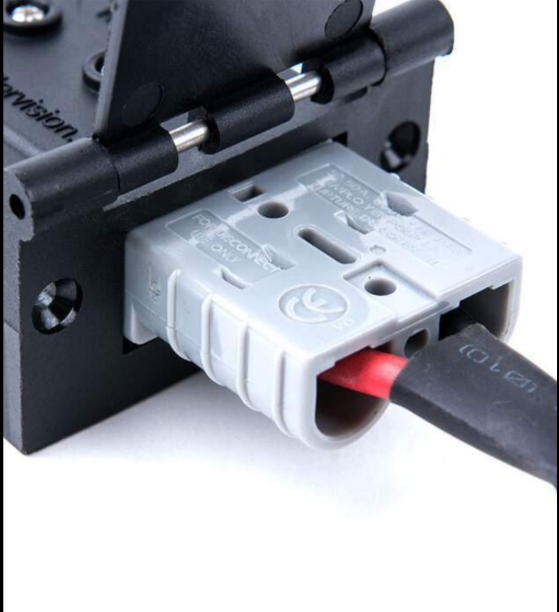
Proper crimping and cleaning of the wire is essential for optimizing connector service. A proper crimp that is performed on oxidized wire may have high resistance and could result in excess heat. Cutting back cable to a non-oxidized area and / or cleaning the wire with a wire brush or 3M Scotch Bright is recommended.
Stripping Cable Insulation: Problems with cable harness and connector systems often begin with improper or accidental cutting of wire strands while stripping cable insulation. Each strand is important, and all of them must be included in the contact barrel to avoid unnecessary hot spots during operation. When removing insulation, position a sharp blade at a right angle and apply steady, controlled pressure, cutting only the cable insulation, not the copper wire. Strip cable to the proper length for the contact being crimped. Proper lengths are listed in the instruction sheet with each APP connector.
Cleaning Copper Wire:
Aged and badly tarnished copper should be thoroughly scraped with a stiff wire brush that penetrates the entire bundle cleaning every strand. The wires will then be ready for insertion into the contact barrel when they are brushed to their original bright copper finish. Contact barrels are lined with silver or tin plating to assure consistent conductivity, which will be reduced if the barrel is crimped around aged or tarnished wire.
Crimping
The best preparation will be defeated if inadequate tools or improper crimping procedures are performed. Use an APP crimp tool. Make sure the stripped cable is inserted all the way into the barrel of the contact and that the contact point is centered in the crimp tool. A crimp tool will effectively compress the contact barrel tightly around the cable strands, allowing them to be pressed tightly against each other and against the inside wall of the contact barrel.
When the crimp has been completed, check the appearance of the contact. A properly crimped contact barrel is compacted tightly with the outer strands. The outer strands on an improperly crimped barrel will be loose and will not have adequate clamping force. Test for low pull-out force. If the cable can be loosened, recrimp until it is tight.
Soldering
The alternative to crimping is to solder all cable strands within the contact barrel. When using an open flame, make sure that you are not in an area where explosive gasses are present. The right proportion of solder is essential if this procedure is employed. Use a quality 60/40 soldering in wire form with a rosin flux core. Cable strands should be separately fluxed with rosin paste, and the contact should be held in a vise with the barrel end facing up. Apply heat to the outside of the barrel while the solder flows in beside the wire strands. Contacts should never be forced into housing.
